The rapidly evolving world of digital approaches and tools — including AI — holds immense promise for enhancing how we can deliver impact and address the health inequities experienced by the communities we work with. Digital health technologies, when used correctly, can hugely improve data quality and analysis, strengthen surveillance efforts and build agile health systems.
Malaria Consortium recently revealed its organisational strategy for the next three years, which will inform how we plan to reach a world free of malaria.
One of the key ways we will deliver the organisation’s new strategy is by harnessing digital technology to enhance both the effectiveness and reach of the work we do. Malaria Consortium employs digital innovations to improve the quality of care delivered through community health workers, as well as digital platforms to collect community-level health information that wouldn’t typically be collected at a granular level of detail. Such accurate data portray a far clearer picture of community health, enabling accurate and effective resource allocation which is particularly crucial in resource-limited settings, says Liberty Bunce, Senior Digital Health Specialist at Malaria Consortium.
- Author's Name Malaria Consortium
- Posted On 29th Aug 2025 at 21:20 PM
- Relevant Topics
- Share
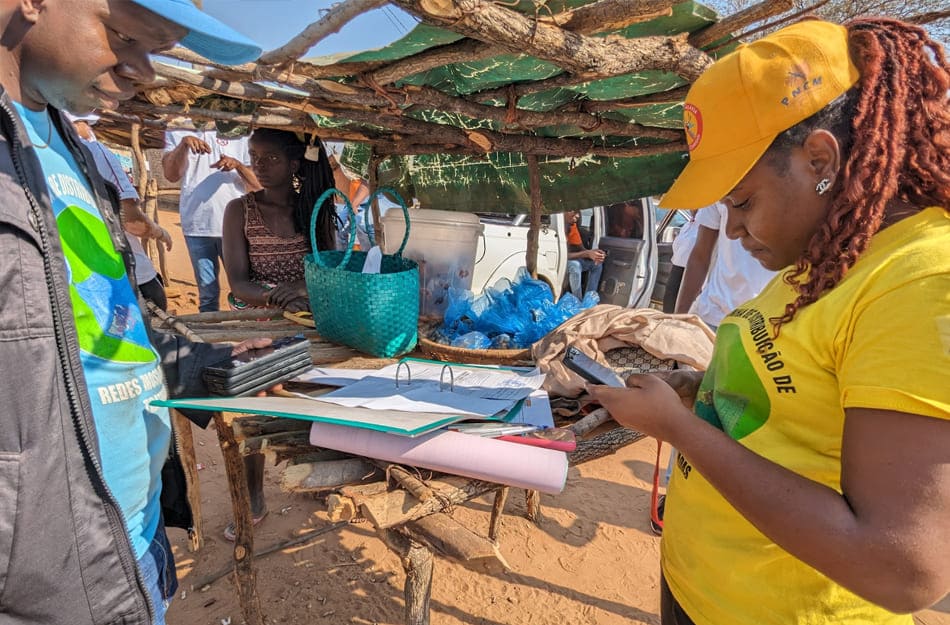
The delivery of seasonal malaria chemoprevention (SMC) in Mozambique, which saves hundreds of thousands of children’s lives every year, shows how we use digital tools for more effective delivery and reach more of the children most at risk. Since 2024, Malaria Consortium has been working with the eGovernments Foundation (eGov) to roll out a digital health campaign alongside Mozambique’s national malaria programme; the partnerships centres on the deployment of eGov’s Health Campaign Management (HCM) product, powered by the open-source DIGIT platform — known locally as SALAMA — in order to distribute SMC medication to one province in Mozambique.
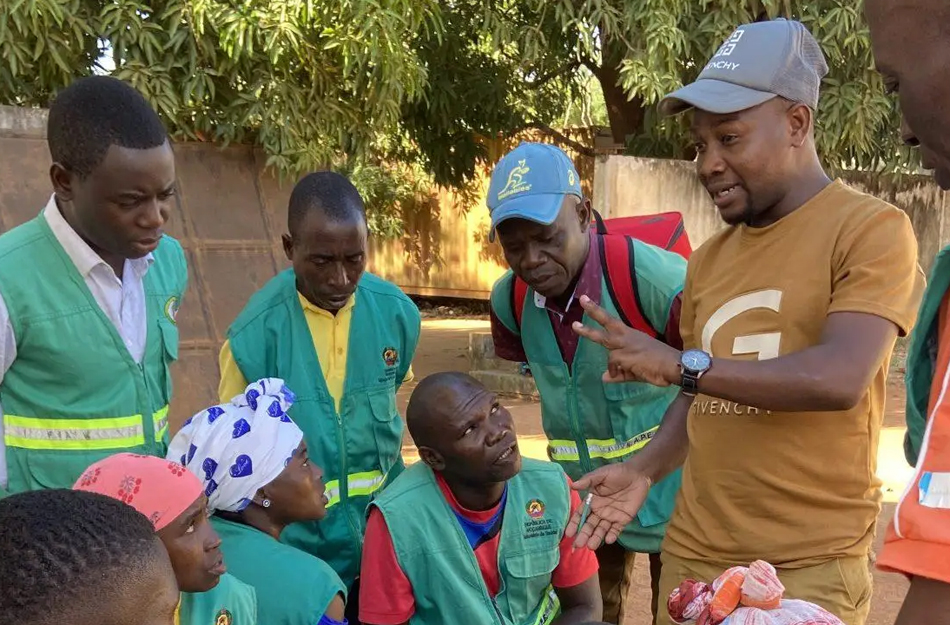
The platform was first adopted by Mozambique’s malaria programme in the distribution of mosquito nets. It was subsequently rolled out to support the implementation of SMC for the 2023/2024 round in Nampula. The platform supported programme delivery by enabling SMC campaign staff to easily capture data about the programme: they could register participant households and individuals, record adverse events to medicines and check stock levels. The platform can be used to easily create digital campaign dashboards and reports. All of this can then be used to better inform future decisions based on real data. In practice, this entailed holding daily meeting to discuss insights from the data collected throughout campaign cycles, and make alterations according to the analysis, such as providing targeted supervision or support. Previously, the rollout of SMC programmes was catalogued with a paper-based system, which slowed down data collection and decision-making. Being able to have systems that speak to each other in near real-time means decision-makers can identify problems as well as areas for improvement much more quickly, making the process more agile and effective. The project involved training over 14,600 community workers to use the platform and demonstrates how Malaria Consortium is investing in empowering locally-led initiatives and platforms to strengthen national capacity.
The platform’s use has now been expanded across Africa, including in Malaria Consortium’s SMC work in Nigeria. It’s also being used beyond delivering SMC campaigns; Malaria Consortium has also been employing it for the rollout of vitamin A, which helps boost immunity and prevent malnutrition in young children, and azithromycin, an antibiotic that can reduce child deaths from infectious diseases. And in Nigeria, the organisation is implementing a bring-your-own-device approach — community health workers are using their own phones to access the platform, which lowers the cost and expands access. In total, the scheme has targeted over 2.8 million children.
Malaria Consortium has embraced the use of digital tools and technologies in a variety of other projects, too. For instance, the digital health platform, upSCALE, which Malaria Consortium helped to roll out in close partnership with the Ministry of Health in Mozambique, is giving health workers in local communities the tools — in the form of a smartphone and tablet app — to easily register, diagnose and advise community members, meaning more cases are caught sooner and more lives are ultimately saved. Tools like upSCALE not only improve immediate care but also strengthen health systems by generating real-time data that guides better decision-making at every level, while ensuring that people who rarely access formal health centres can still receive quality, timely care within their own communities
More recently, we are collaborating with the Worldwide Antimalarial Resistance Network, which is part of the Infectious Diseases Data Observatory (IDDO), launching a three-year initiative to pool and harmonise anonymised individual patient data from across Africa. This will entail building a first-of-its-kind open-science data platform that will allow researchers, scientists and policymakers to track how well drug combinations are working and to detect early warning signs of resistance. Should molecular markers of resistance begin to rise in a region, national malaria programmes can readily adapt dosing schedules, shift to alternative medicines or adjust delivery strategies timely before children lose protection. The platform aims to inform the tailoring of SMC programmes across Africa to maximise impact. Such a partnership is also emblematic of the importance of multi-disciplinary and cross-sector partnerships to ensure that innovative approaches will be effective on the ground.
Across all of Malaria Consortium’s initiatives involving digital tools, our approach is governed by the principle of “not doing digital for the sake of it,” says Bunce, but taking the time to consider appropriateness and impact. Another crucial component is working with national governments to integrate digital systems and projects within their strategies, so the interventions are locally led and sustainable long-term. That also involves taking what Liberty calls a “platform-agnostic approach”, meaning we work with partners to find the right solution for a given context, and that can mean working with different suppliers to find the most appropriate tool.
“Just because there’s a need for this type of solution, that doesn’t mean there will be a demand,” she says. Sometimes, the behaviour changes required to get people to use these tools can be significant. “Unless you’re designing the tool with the user in mind and understand the ecosystem, it’s just going to flop,” says Bunce.
The same applies for any future applications of AI. Malaria Consortium recently co-convened a webinar with Makerere AI Health Lab and Uganda’s Ministry of Health on World Malaria Day 2025 earlier this year, which explored the use of AI-driven diagnostics and surveillance technologies in resource-constrained environments, as well as the trials and tribulations of these applications. AI, when used responsibly, offers the chance to not only improve equitable access to healthcare but also unlock new insights that make health systems more resilient and better prepared for future challenges.
Malaria Consortium’s direction going forward embraces the power of digital innovation to unlock greater impact and bring lasting health improvements to the communities who need them most. With the right partnerships and through embedding solutions in government-led programmes, we can deliver sustainable change, strengthen health systems and move closer to a world free of malaria.